

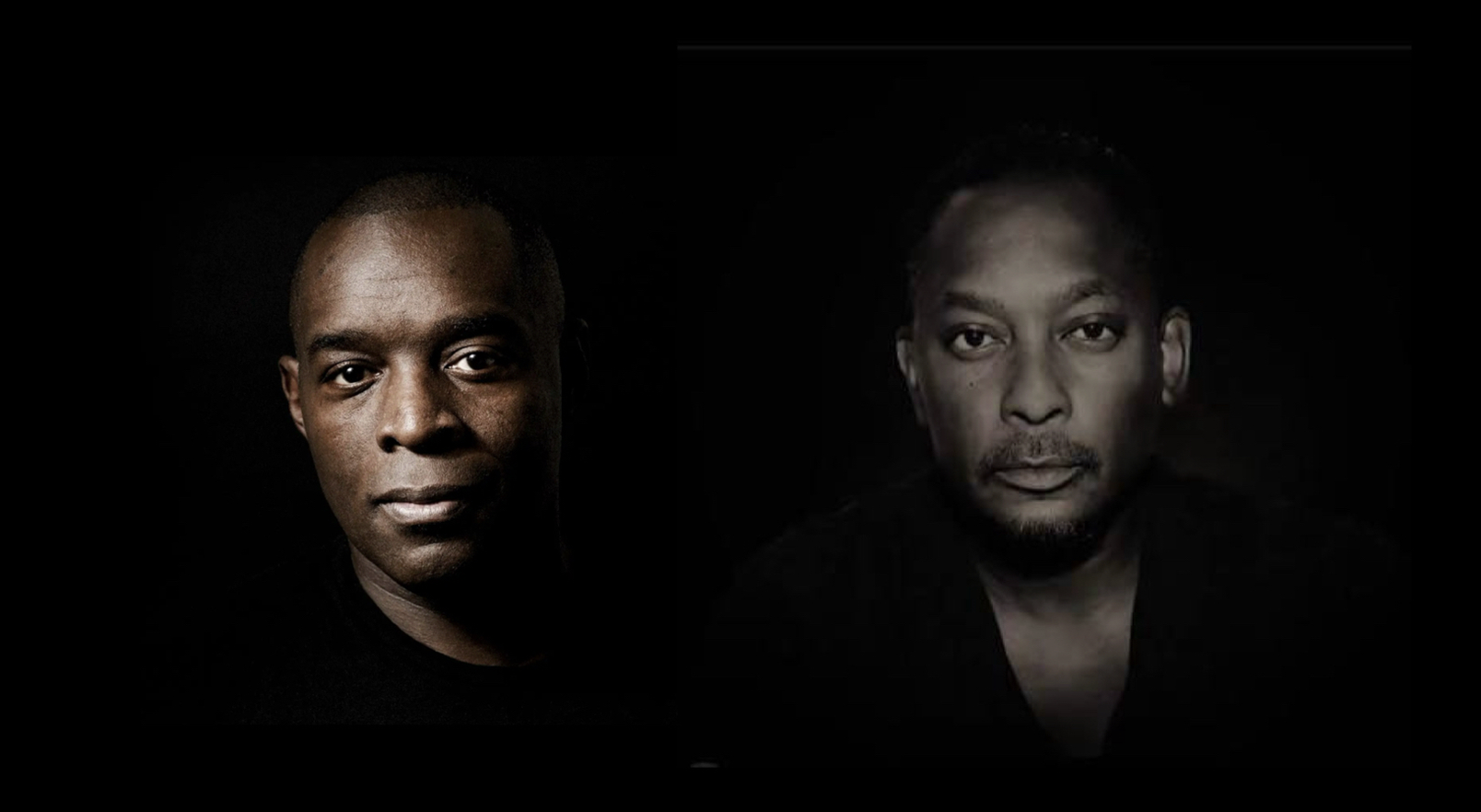
Kevin Saunderson | Derrick May

Spring 2026
Detroit, known as the Motor City, stood as both an industrial stronghold of the U.S. automotive economy and the home of Motown Records, whose assembly-line model of hit making mirrored the logic of the factories themselves. In 1967, the Detroit Riots fractured that infrastructure, accelerating the departure of auto manufacturers and by 1972, Motown’s relocation to Los Angeles. The city was in ashes.
From this terrain emerged a distinct sonic response. The Belleville Three, Juan Atkins, Derrick May, and Kevin Saunderson, formed an unlikely axis of experimentation. Meeting in high school, they absorbed a continuum of Black musical forms funk, fusion alongside European electronic pop and body music of Kraftwerk, Cabaret Voltaire, Depeche Mode. All transmitted through the expansive broadcasts of The Electrifying Mojo, whose radio sets functioned less as playlists than as speculative environments.
With access to emerging music technologies, each artist developed parallel trajectories that converged into what Juan named Techno, a term drawn from Toffler’s sci fi masterpiece, The Third Wave. Under the monikers Cybotron, Model 500, Inner City, and Rhythim Is Rhythim, their productions circulated across clubs, radio, and international markets. Techno (The New Dance Sound of Detroit) compilation containing the iconic May produced Strings of Life, simultaneously, Inner City’s Good Life and Big Fun going to #1 on the pop, soul and dance charts, have not only positioned Detroit as a generative center for a rapidly expanding electronic music culture but has created a (now) multi billion dollar industry that followed that 1988 tipping point. The very groups they admired, Kraftwerk and Depeche Mode, would soon travel to Detroit to meet and see exactly how this music was being made.
The resonance extended outward. Berlin, in the aftermath of the Fall of the Berlin Wall, absorbed this sound within its own spatial and political reconfiguration. The opening of Tresor, the club that only played Detroit Techno, was the cultural hub for this moment of unification of East and West.
European audiences and artists embraced and supported the music, even as its origins were often obscured within broader commercial circulation. In recent years, a more precise historical accounting has reasserted Detroit’s foundational role and the authorship of its Black innovators.
Movement is one of the largest electronic dance music festivals in the world, happens in Detroit started by this music and community is proof that imagination and not dimming your light can help change the world and rebuild your city from the ashes.
Enjoy this rare interview together with Professor King Britt.